The Rock Art and Wilderness Preservation Project
In 1999, a nonprofit organization called Wilderness Watch of Utah was founded by a group of dedicated and talented people. The roots of the organization, and ultimately, my photography, began several years earlier when I started venturing deeper into the tantalizing landscape of southern Utah and finding myself instantly immersed in the wonderment and awe that comes with exploring this region of the world.
That first journey into Southern Utah began with a curious mark on a map that eventually led to the remnants of an ancient Puebloan cliff dwelling near Comb Ridge, Utah. Although only a small section of a wall remained, I was fascinated by the experience, which piqued my curiosity about what else might be around me. The trip and that moment sparked a passion for exploring and set in motion a deep, growing connection to the Colorado Plateau that would draw me back from then on.
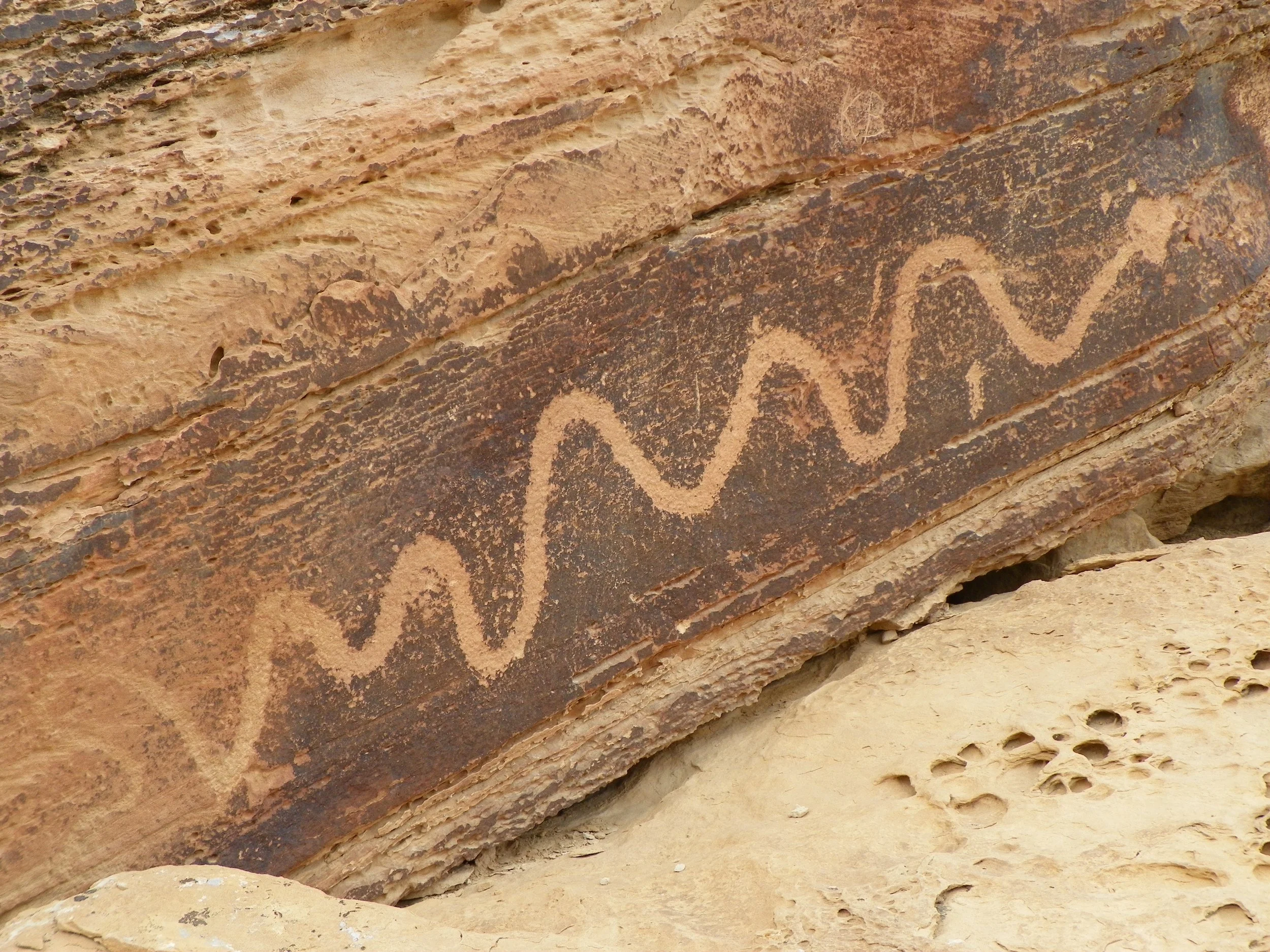
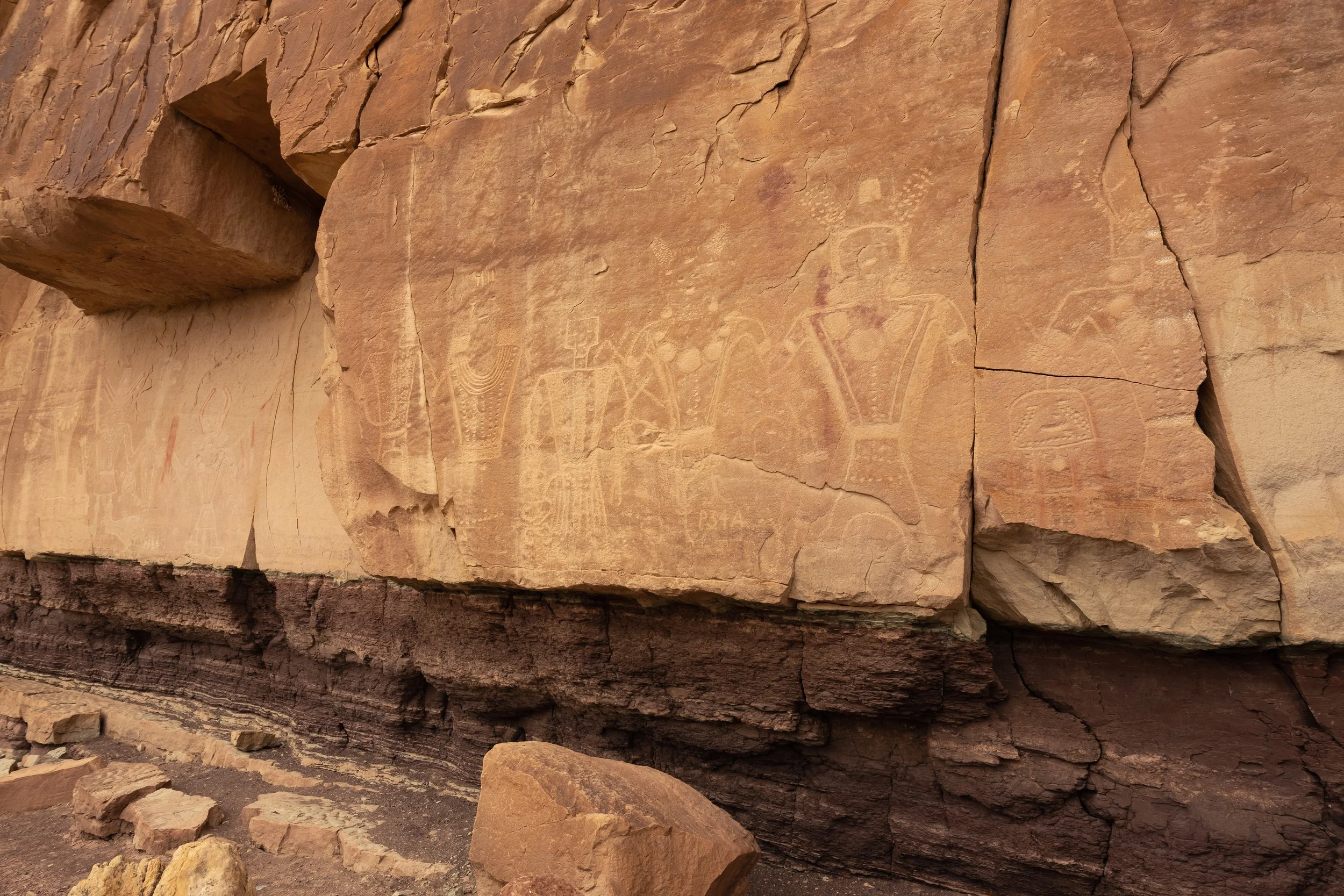
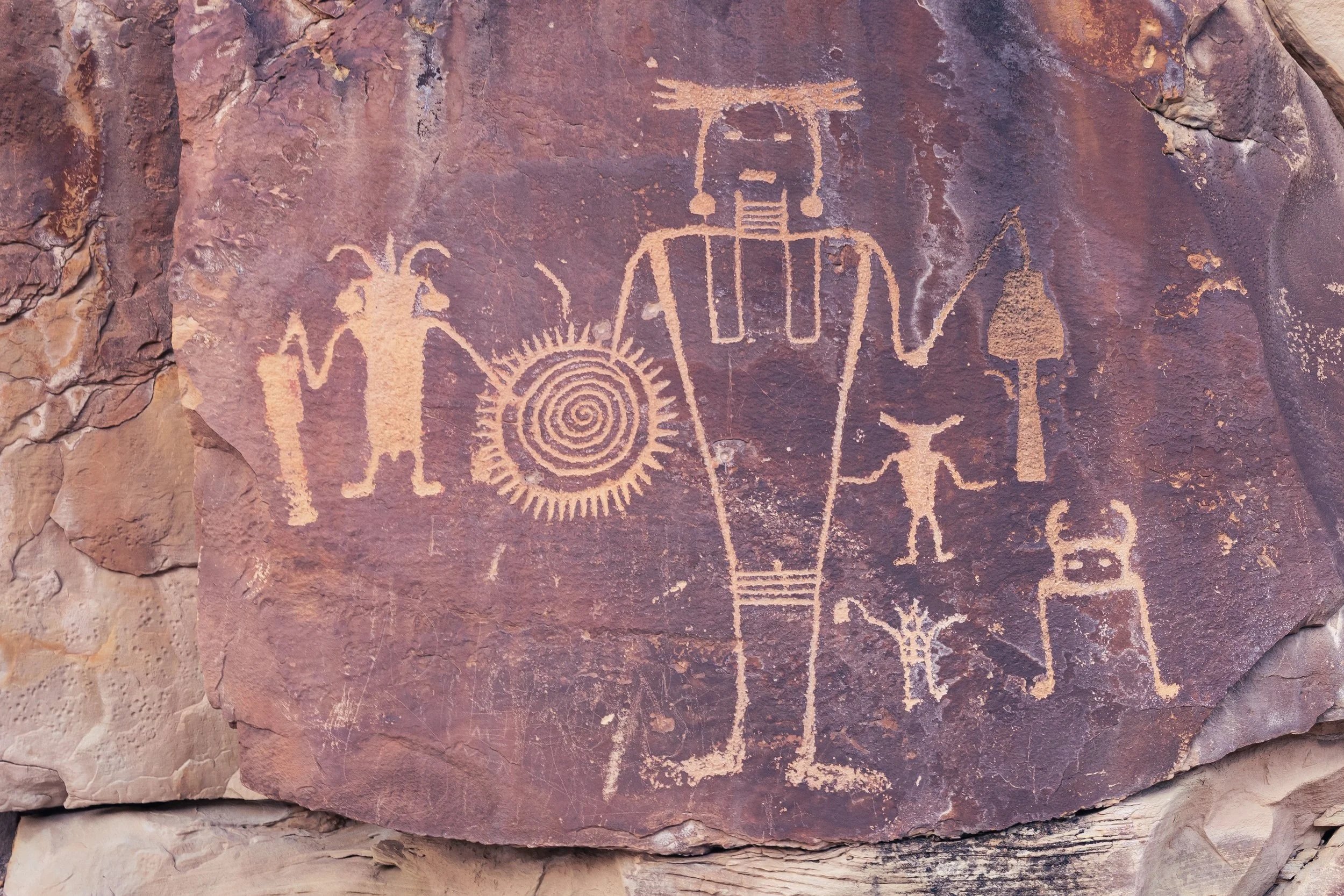
My great-grandfather, who lived in Vernal, Utah, was actually the first person to introduce me to rock art. At the time, being about 11 years old, I didn’t fully appreciate what he was showing me. To be fair, the rock art wasn't all that impressive compared to other sites in the area, like McConkie Ranch Petroglyphs, a world-class rock art site less than a half mile from where great-grandpa originally brought me. Eventually, I learned about the incredible rock art in the area. Places like McConkie Ranch and Dinosaur National Monument are incredible rock art sites that would likely have been much more impactful.
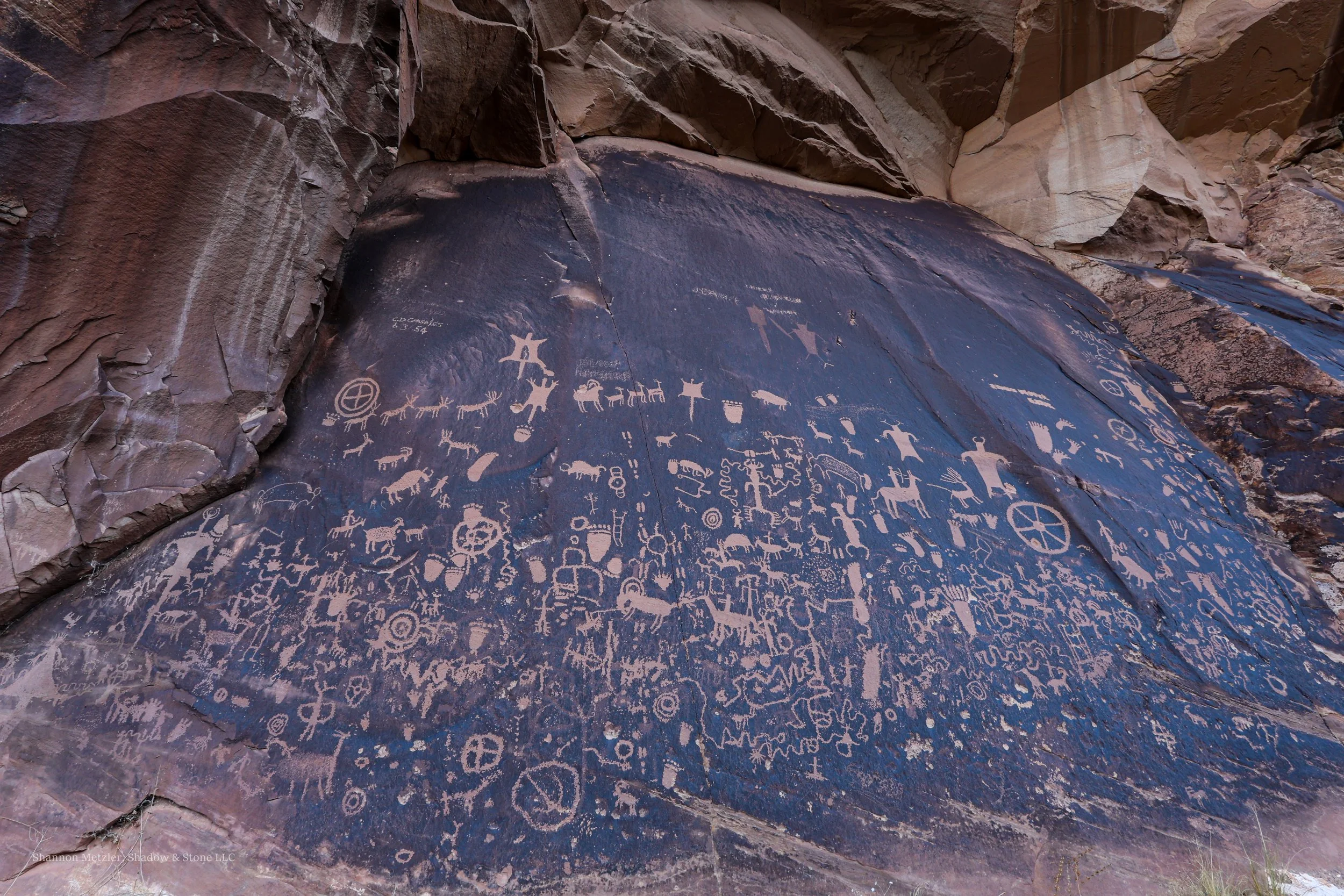
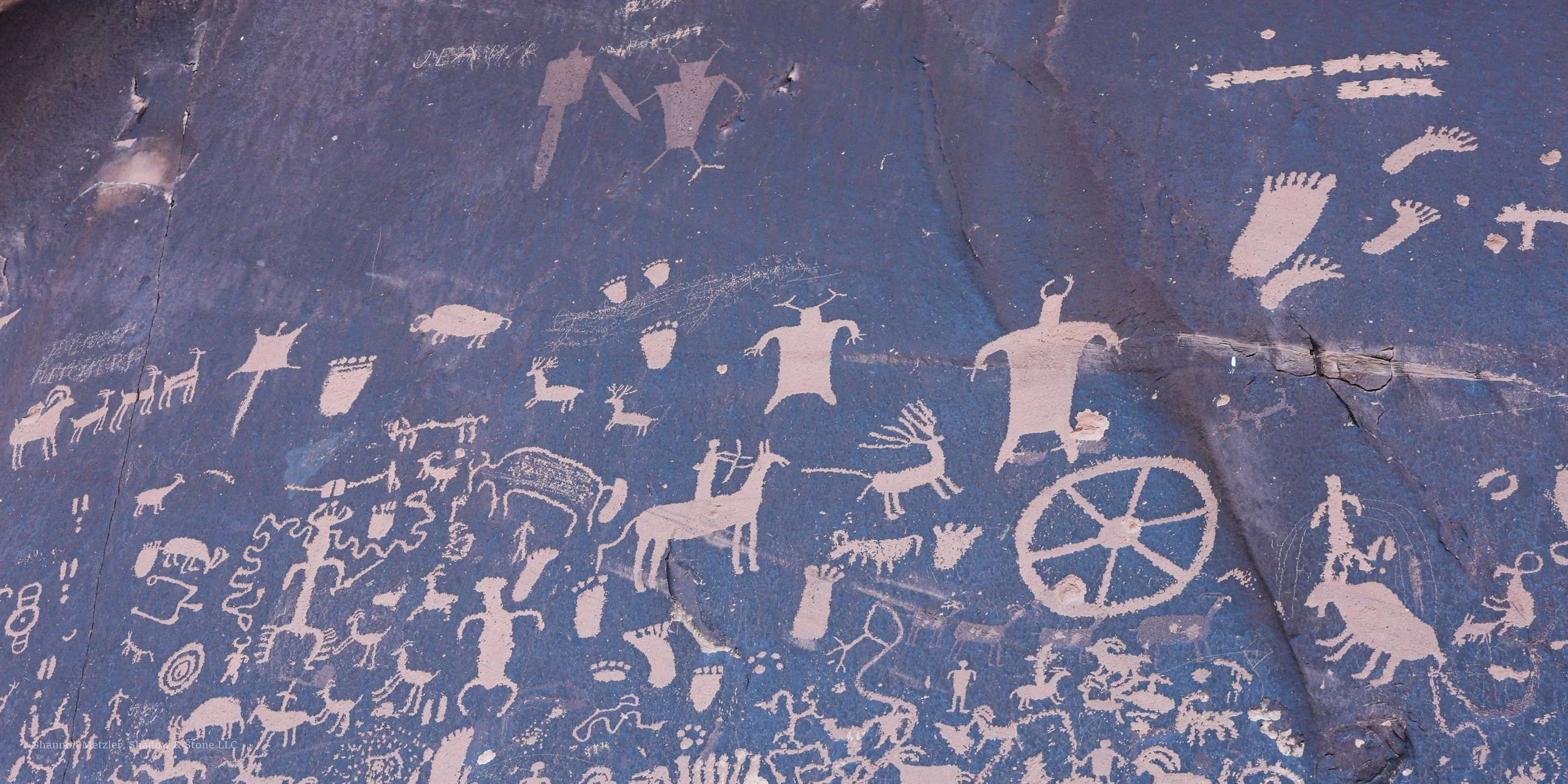
Newspaper Rock in Indian Creek, Utah, would become the first large rock art site that really left an impression on me. I experienced it for the first time on the same trip that brought us to the cliff dwelling near the Comb Ridge only a few days earlier.
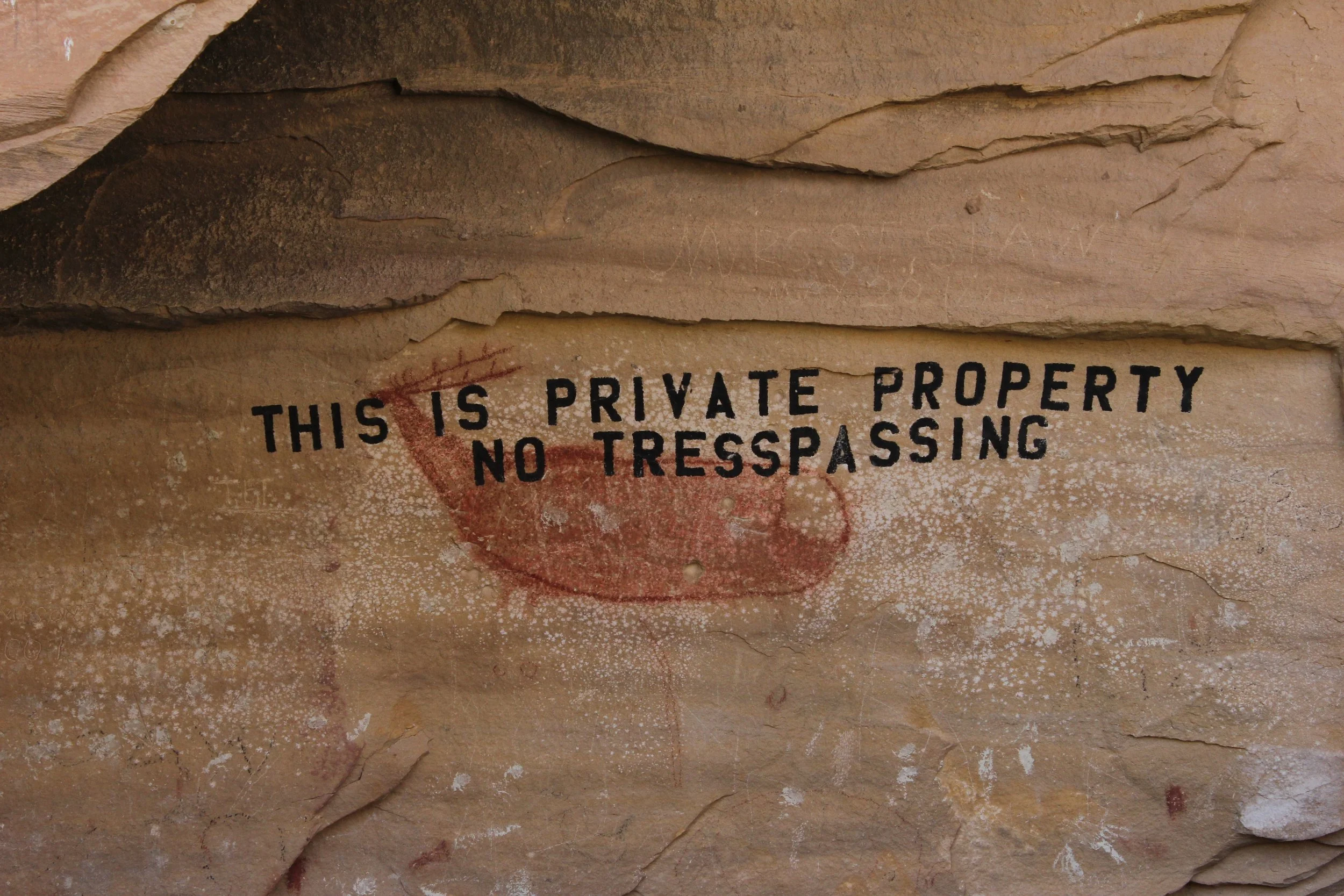
The sheer number and variety of petroglyphs covering Newspaper Rock’s rock surface is truly amazing. I had never seen anything like it before. One thing that was quickly noticeable was the impact of both historic and modern people, who etched names, scribbles, and other markings among the petroglyphs. I couldn’t understand why someone would do that, and I soon discovered it is not uncommon. Nonetheless, I was still fascinated by the site and wanted to see more, which is relatively easy to do in Indian Creek. That fascination and desire to see more sites continued after that trip and ultimately led me to research and explore the nooks and crannies of Utah and beyond to find more amazing sites.
After a few years of witnessing vandalism at so many rock art sites and hearing about it taking place more and more, I came up with an idea to try to address the growing issue by visiting Utah classrooms to promote the preservation of rock art through education and conversations, by helping people understand how and why these amazing sites came to exist, how each of us can help to protect them, and why it is important for us to protect them.
Teaching young people about rock art and the lands where they exist seemed like one way to potentially slow the vandalism that was permanently altering these irreplaceable treasures. Young people eventually grow up to be future stewards of these places. The presentation was generally well received and eventually moved beyond the classroom into the public sphere, prompting an effort to officially establish a nonprofit organization, which became Wilderness Watch of Utah.
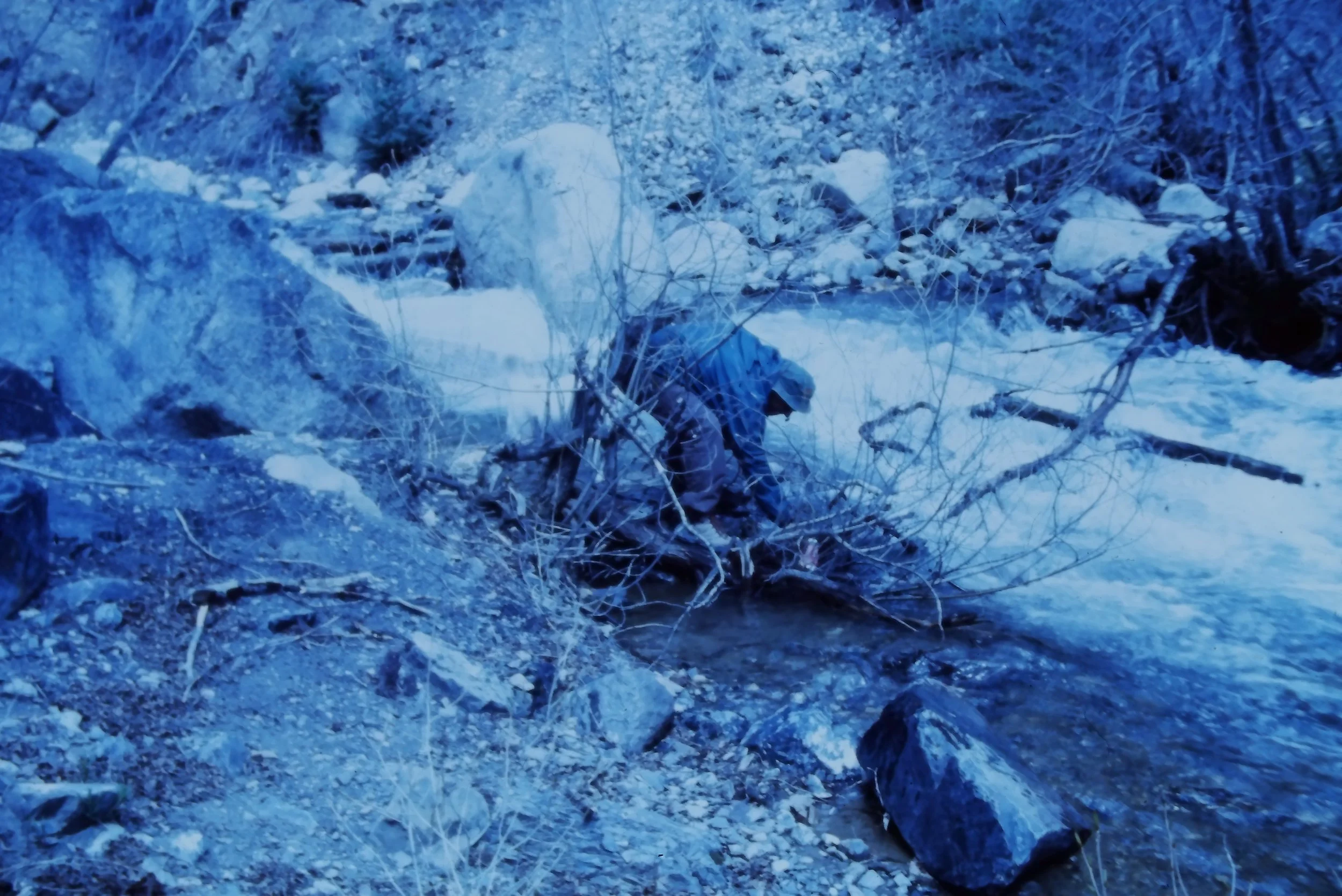
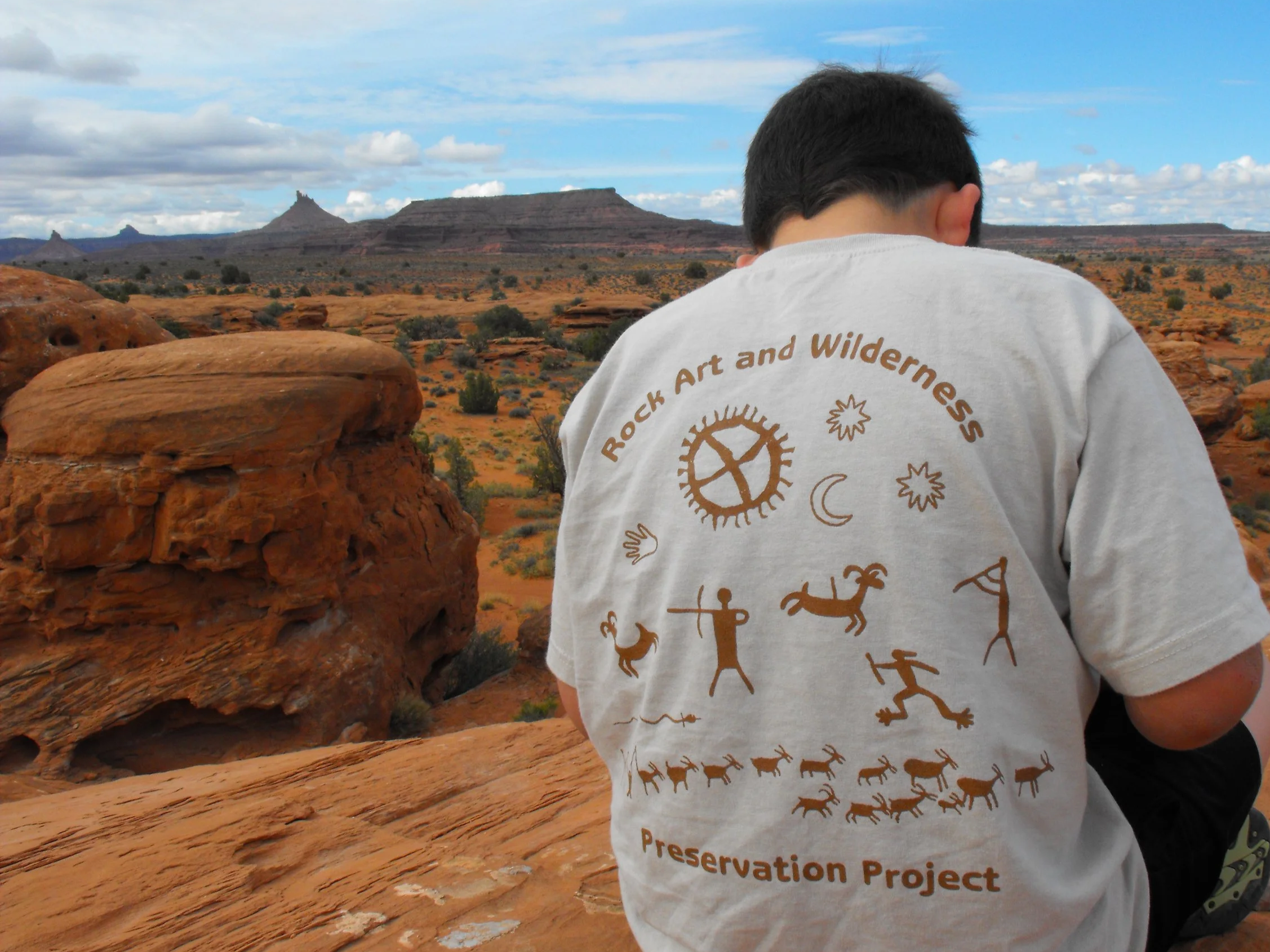
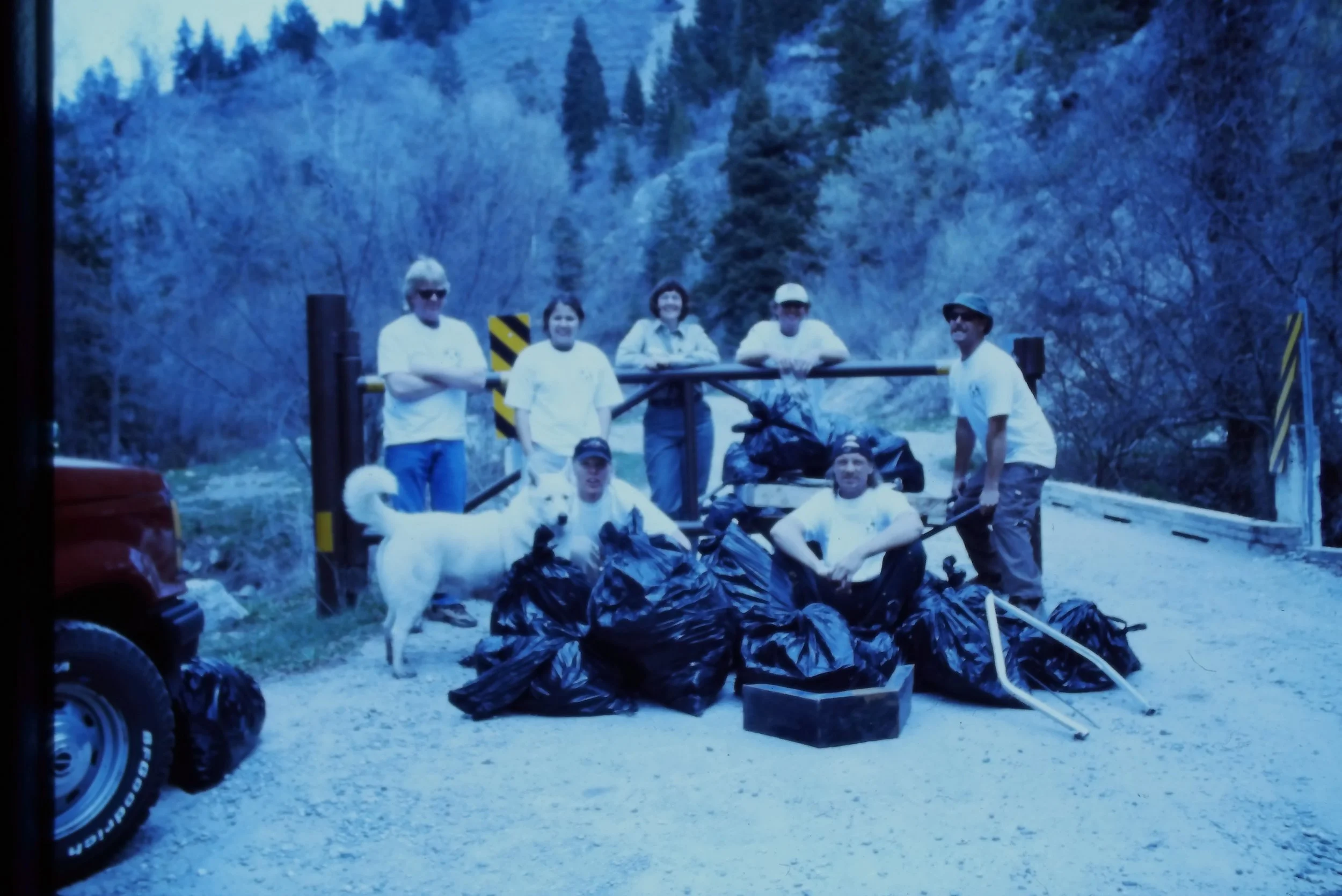
Eventually, the Rock Art and Wilderness Preservation Project was developed and became an official program intended to continue that original effort to preserve through education and conversations. Over the years, we spoke to countless people in classrooms and public spaces. We worked with the local Forest Service, BLM, media, and law enforcement to document unrecorded sites, report vandalism, and raise awareness to seek greater protection. Building on those relationships, we also targeted high-impact wilderness areas and organized annual cleanups to remove trash and restore habitat.
Today, reports of vandalism at rock art sites in Utah are more frequent, with the latest incident reported only a few days ago, as of this writing in March of 2026. Such incidents have consistently increased as the state's population has grown, and especially as tourism has exploded over the last decade.
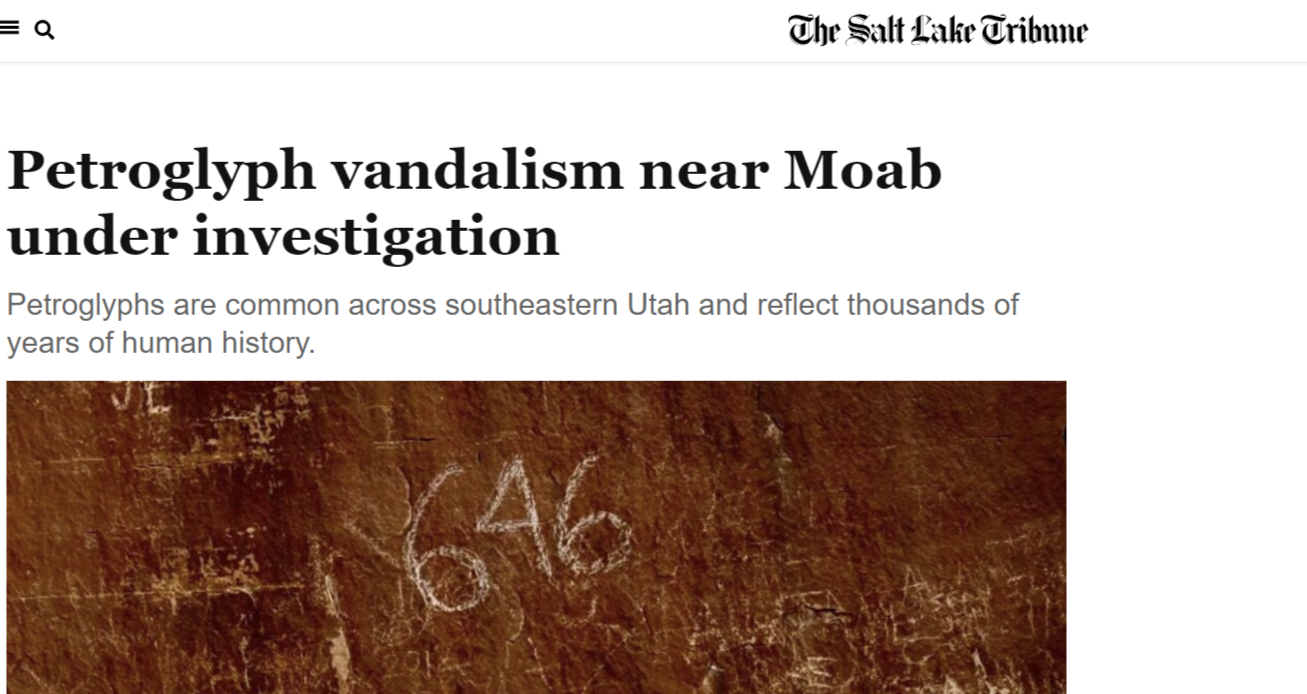
Most damage to rock sites is inadvertent: people touching the rock art directly with their hands, leaving oils and residue that accumulate with each incident, or by doing things near the rock art that damage it, like smoke from a nearby campfire. Most intentional vandalism takes the form of people etching their initials, name, or scribbles next to or directly over a petroglyph (carved or pecked into the rock) or pictograph (painted on the rock surface). In rare cases, people will intentionally seek to destroy a site out of malice or for selfish interests, such as the vandalism that occurred in 1980 at what is known as the Courthouse Wash Site in Arches National Park. The site is just outside Moab, Utah, and is visible from the highway that leads into town. In this case, wire brushes, soap, and water were reportedly used to intentionally remove the ancient pictographs.
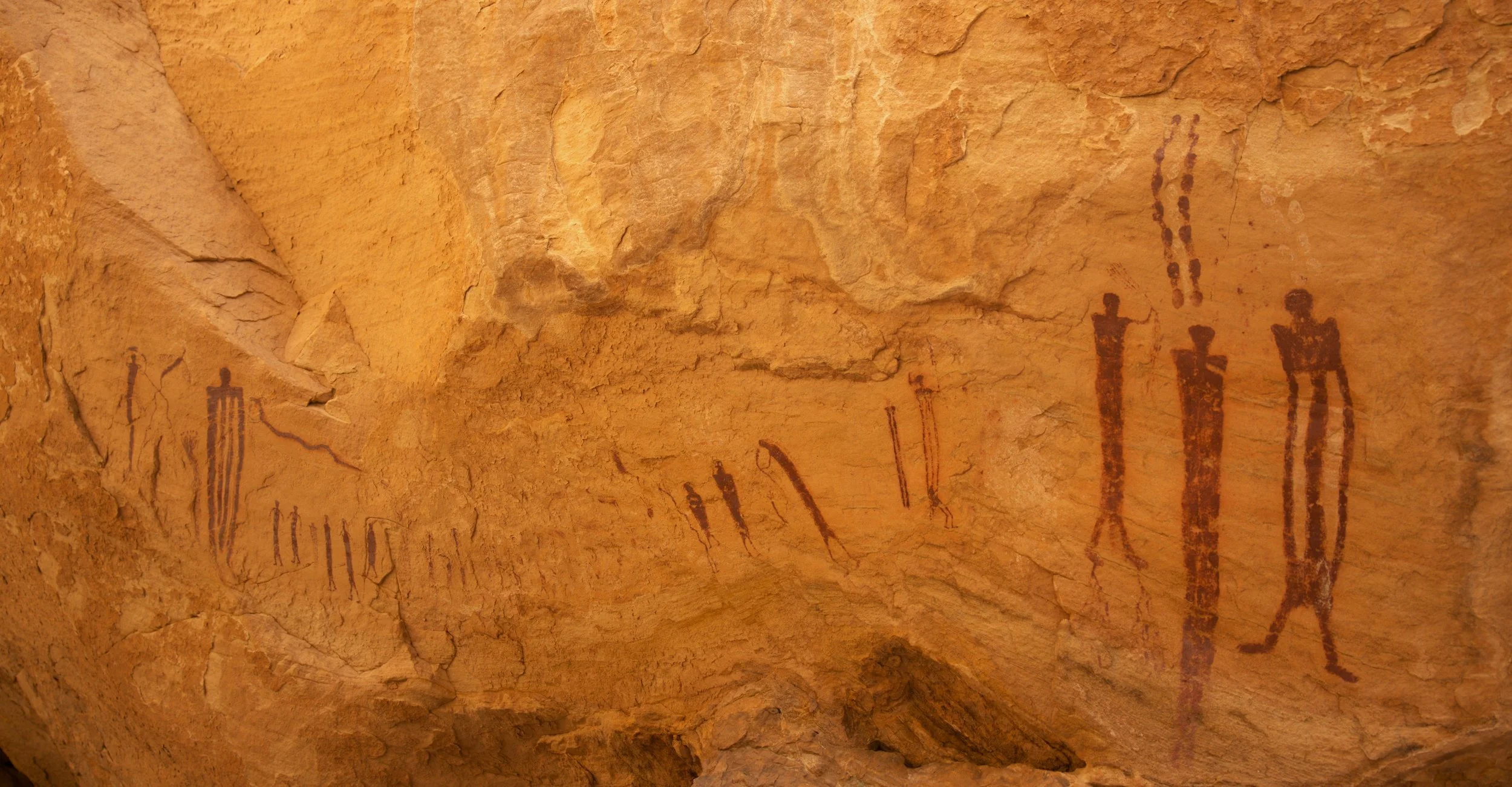
The oldest rock art in Utah is estimated to be more than 8,000 years old, underscoring why the region's rock art reflects so many cultures and time periods, resulting in an incredible number and variety of sites that are second to none. There is simply no other place like it.
Sites that have remained undisturbed for thousands of years are being permanently altered and damaged within minutes by ignorance and, in some cases, malice. Trying to preserve sites by keeping them secret is no longer an effective strategy, as more people are drawn to Utah's beautiful landscapes and backcountry. Completely cutting off access to rock art sites raises real questions about the benefits of preservation if no one will ever have the opportunity to experience them.
What is easy to overlook is that many of these sites are so well-preserved because people have been intentional and cared for them. People like me, who continue to visit and monitor sites that I have been visiting for decades. Perhaps it is easy to think one is the first to discover a rock art site deep in the backcountry or believe no one will care if a name or initial is added, but that is simply not true. People like me are out there and watching.
While the official programs of Wilderness Watch of Utah have been inactive for many years now, my love for rock art has never diminished. If anything, it has only grown over the years. The effort to monitor, record, and preserve these rare treasures has been ongoing and now has yielded thousands of photographs taken over more than 30 years. Comparing photographs over this time span enables us to see if and how sites have changed over the years.
Shadow and Stone Photography exists, in part, because of this history and represents the latest chapter in an ongoing effort spanning more than three decades. It is exciting to now have a place to continue the conversation and showcase this collection for others to experience, which can be found in the “Stories in Stone Gallery.”
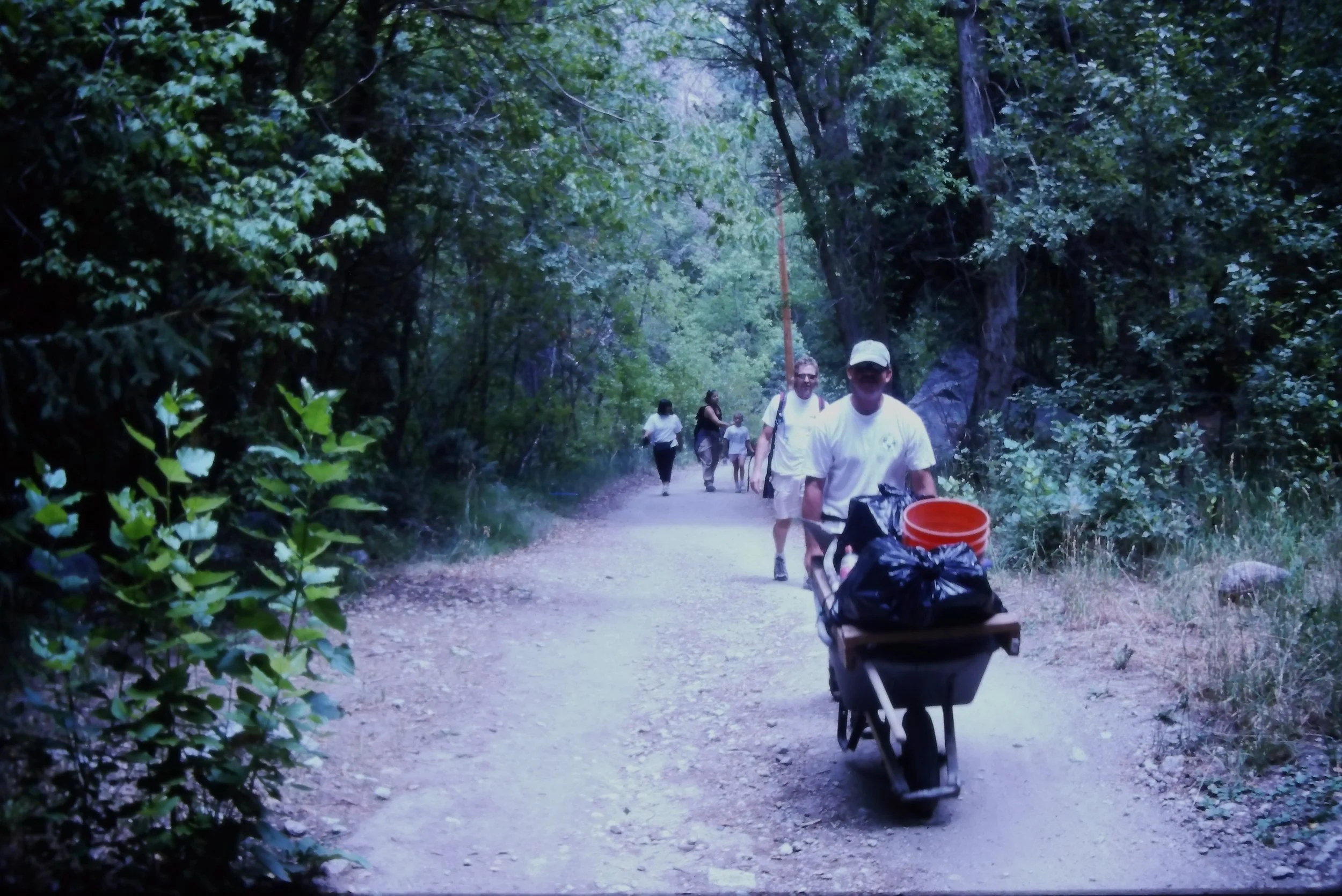
Little Cottonwood Canyon Cleanup Project
American Fork Canyon Cleanup Crew
McConkie Ranch
Dinosaur National Monument
Newspaper Rock
Newspaper Rock
American Fork Canyon Cleanup Project
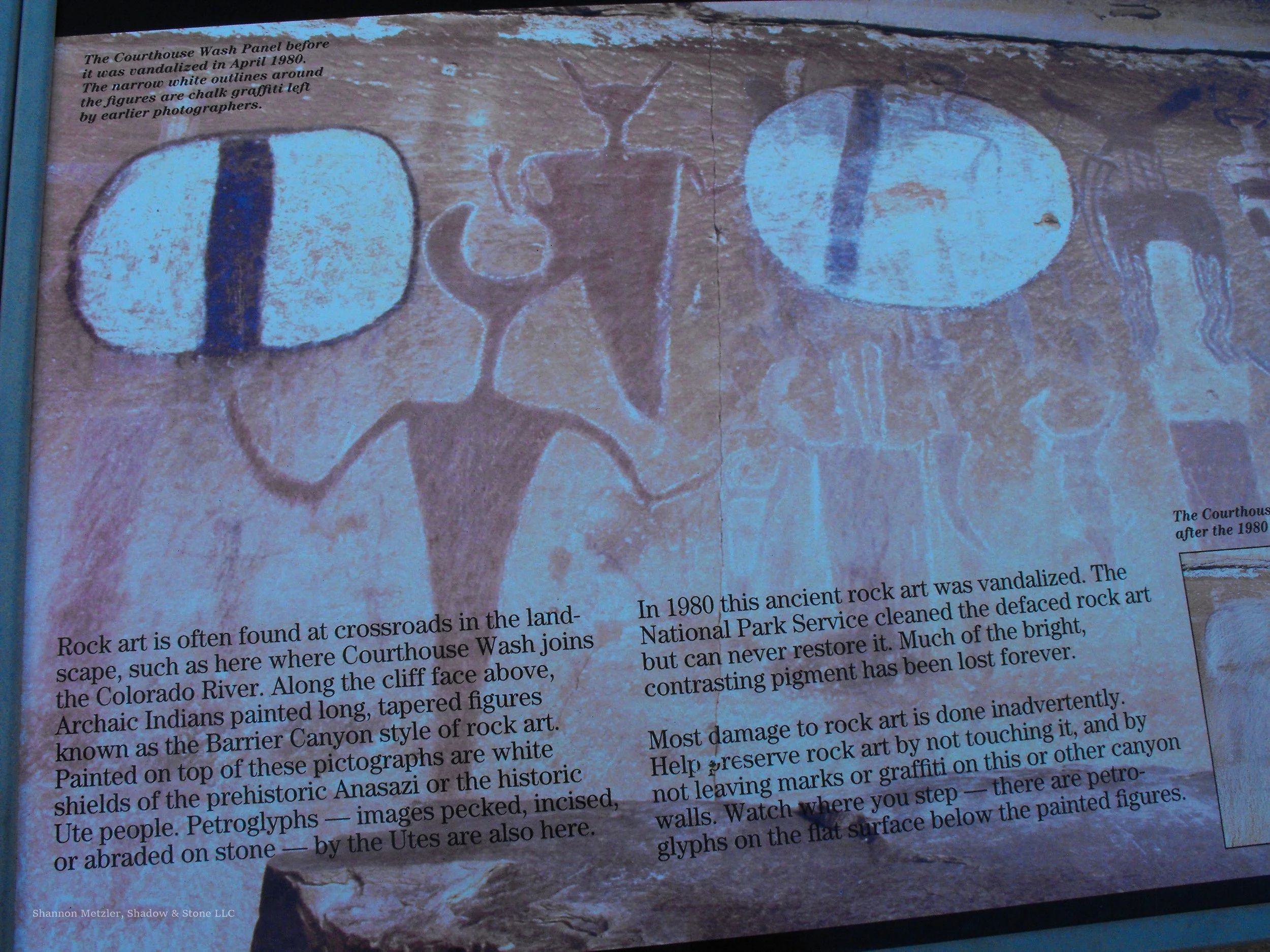
Courthouse Wash Site before vandalism
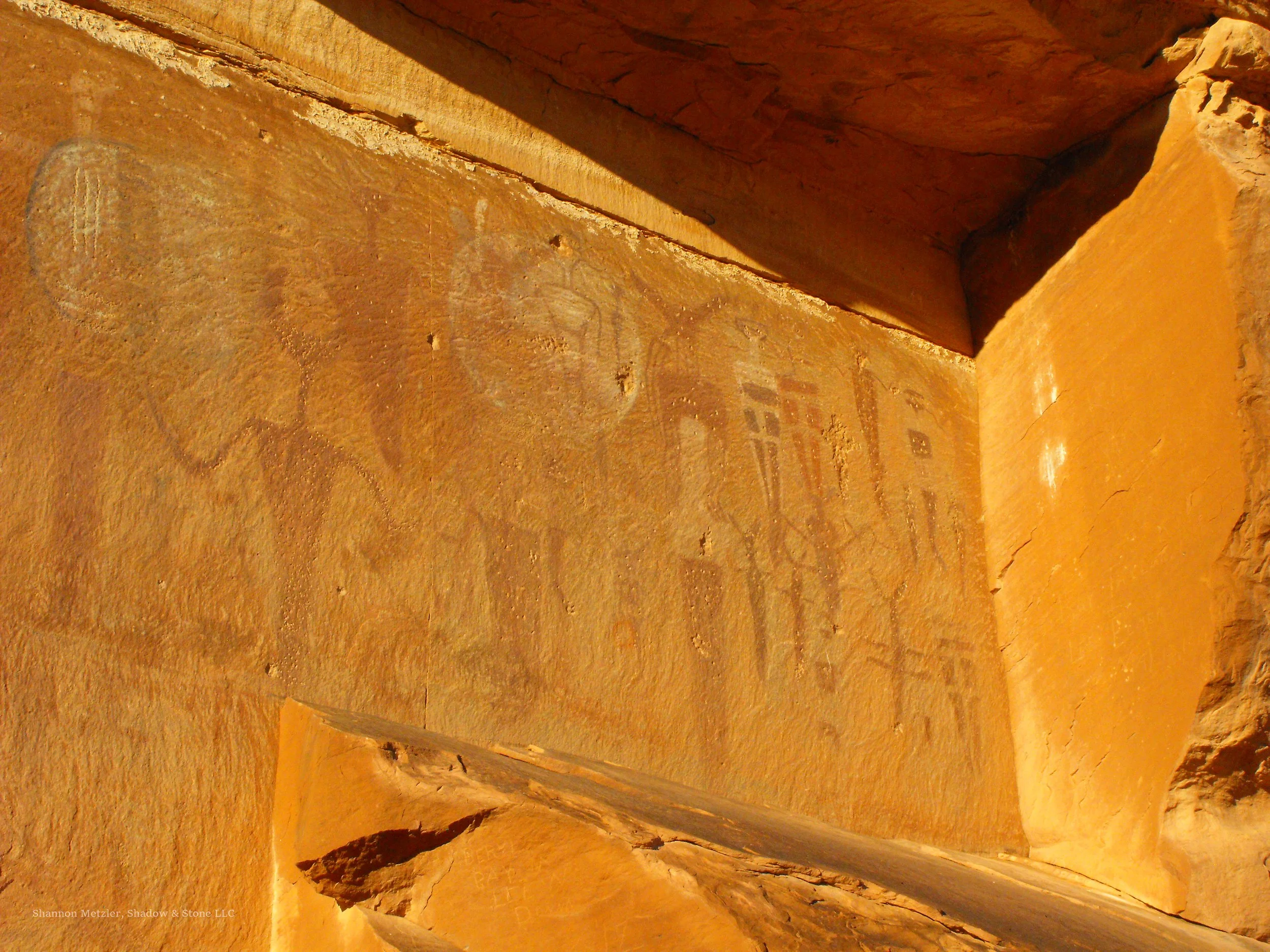
Courthouse Wash Site after vandalism